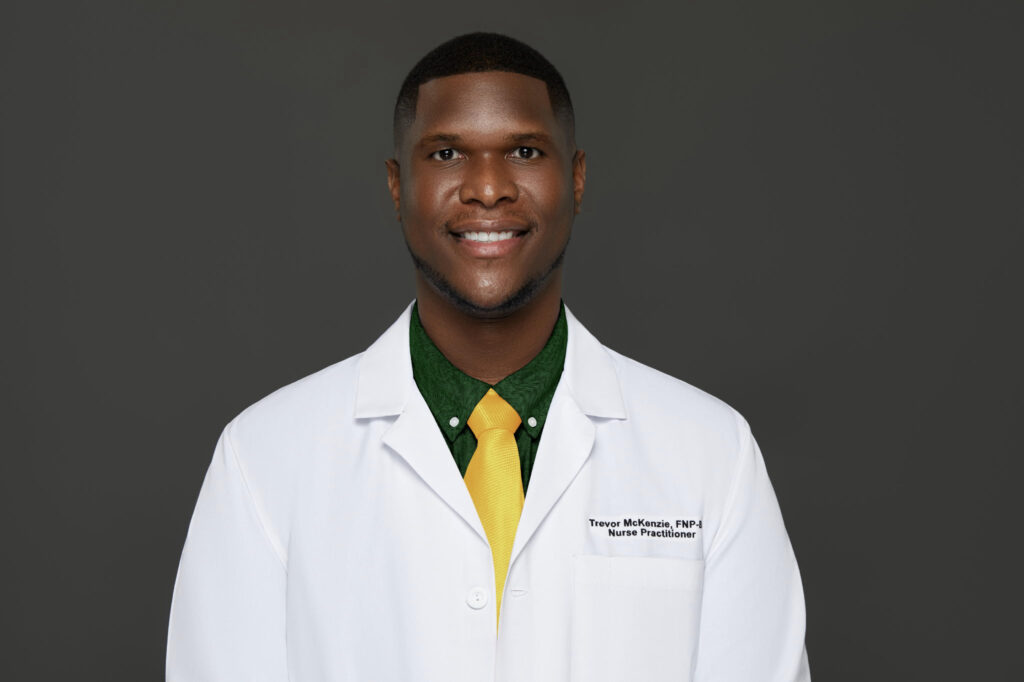
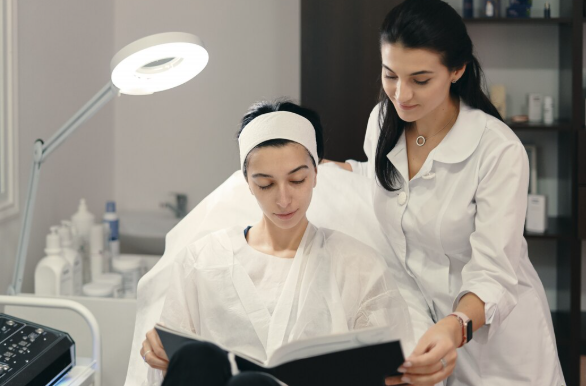
Healthcare is evolving toward a more connected and preventive approach. Many patients now understand that appearance, wellness, and internal health are closely linked. This awareness has increased interest in combining medical and aesthetic services under one care model. Instead of treating health and appearance separately, integrated care focuses on the whole individual. This approach allows providers to consider how medical conditions influence skin health, energy, and aging. When care is coordinated, patients receive safer and more informed treatment decisions.
Combining aesthetic care with primary care creates a structured system where wellness is monitored continuously. Providers can identify risks early and guide patients toward appropriate treatments. This reduces fragmented care and improves long term outcomes. Patients also benefit from clear communication and consistent medical oversight. Integrated services allow treatments to support both health and confidence goals. This model reflects a modern, patient centered approach to healthcare.
Practices that offer integrated aesthetic care and primary care focus on prevention, safety, and long term wellness rather than isolated procedures.
Understanding the Connection Between Aesthetic Care and Primary Care
Aesthetic care and primary care share common objectives related to wellness and quality of life. Both focus on prevention, education, and maintaining overall health. When these services are separated, important medical factors may be overlooked. Integrated care ensures that aesthetic treatments are informed by medical knowledge. This connection helps providers deliver treatments that align with patient health needs. As a result, patients receive more balanced and responsible care.
The connection between these services becomes especially important when managing chronic conditions or preventive health concerns. Primary care provides insight into lab values, medications, and medical history. Aesthetic care benefits from this information by adjusting treatments accordingly. Without coordination, patients may receive conflicting guidance. Integrated care eliminates these risks. This approach strengthens trust between patients and providers.
What Is Aesthetic Care in a Medical Setting?
Aesthetic care in a medical setting is guided by licensed healthcare professionals. Treatments are selected based on patient health, not just cosmetic goals. Medical oversight ensures safety and proper treatment planning. Providers understand how aesthetic procedures interact with medications and health conditions. This knowledge reduces risks and improves outcomes. Medical aesthetic care emphasizes responsibility and evidence based practices.
Medical aesthetic services typically focus on improving skin health and wellness. They are supported by clinical evaluation and monitoring. Providers may adjust treatments based on lab results or health changes. This approach protects patient safety. It also ensures treatments align with long term wellness goals. Medical guidance separates professional care from non medical services.
What Primary Care Covers Beyond Annual Checkups?
Primary care includes much more than routine visits. It focuses on preventive screenings, chronic disease management, and ongoing monitoring. Providers track changes in health over time. This allows early detection of potential concerns. Primary care supports informed decision making. It forms the foundation of long term health.
Through regular evaluations, providers assess metabolic health, hormones, and overall wellness. These factors influence skin, energy, and aging. When aesthetic services are combined with primary care, treatments are better informed. Providers can identify risks before recommending services. This coordination improves both safety and effectiveness. Patients benefit from a comprehensive view of their health.
What Does It Mean to Combine Aesthetic Care and Primary Care?
Combining aesthetic care and primary care means receiving services from a unified medical team. This approach reduces fragmentation and improves communication. Providers share medical records and treatment goals. Patients receive consistent guidance across all services. Integrated care focuses on alignment rather than separation. This leads to better health outcomes.
In this model, providers evaluate how aesthetic goals fit within overall health plans. Treatments are selected based on medical appropriateness. This reduces unnecessary risks. Patients benefit from coordinated decision making. Integrated care supports prevention and accountability. It creates a smoother healthcare experience.
Integrated Healthcare Under One Medical Team
A single medical team overseeing care improves coordination. Providers collaborate to align treatments with health goals. This reduces confusion and duplication. Patients receive consistent recommendations. Medical oversight ensures safety at every stage. This model supports trust and transparency.
Key advantages of one medical team include:
- Shared medical history and lab data
- Coordinated treatment planning
- Continuous monitoring and follow up
This structure improves efficiency and patient confidence.
How Continuity of Care Improves Patient Outcomes?
Continuity of care allows providers to monitor health trends over time. This helps identify changes early. Providers can adjust treatments as needed. Consistent care improves accuracy in decision making. Patients feel more supported throughout their wellness journey. This leads to better engagement and outcomes.
Ongoing relationships with providers strengthen communication. Patients are more likely to follow guidance. Providers understand patient preferences and goals. This personalization improves satisfaction. Continuity also reduces errors. Overall, consistent care enhances quality and safety.
Benefits of Combining Aesthetic and Primary Care
Integrated care offers benefits beyond convenience. It supports a holistic view of wellness. Providers can align treatments with preventive strategies. This improves long term results. Patients receive medically guided aesthetic services. The focus remains on safety and sustainability.
When care is combined, providers can address root causes rather than symptoms. This reduces reliance on isolated treatments. Integrated care promotes balance and responsibility. Patients benefit from informed recommendations. This approach supports healthier outcomes.
- A More Holistic Approach to Wellness
Holistic wellness considers physical, emotional, and aesthetic health. Integrated care supports this perspective. Providers evaluate how internal health affects appearance. Treatments are selected with medical insight. This improves effectiveness. Patients receive comprehensive care.
Holistic care encourages education and awareness. Patients learn how lifestyle and health influence wellness. Providers guide informed choices. This approach supports long term success. It moves beyond short term solutions. Holistic care aligns health and confidence goals.
- Improved Preventive Health Monitoring
Preventive monitoring is central to primary care. Regular checkups and labs provide valuable insights. Integrated care uses this data to guide aesthetic services. Providers can identify risks early. This prevents complications. Preventive monitoring improves safety.
Preventive care also supports early intervention. Providers adjust treatments before issues worsen. This proactive approach benefits patients. It encourages responsibility and awareness. Integrated care strengthens preventive health strategies. Patients gain peace of mind.
Consistent Lab Testing and Medical Oversight
Lab testing reveals metabolic and hormonal health. These factors influence skin and wellness. Integrated care ensures lab results inform treatments. Providers can tailor services accordingly. This improves outcomes. Medical oversight remains consistent.
Consistent monitoring reduces guesswork. Providers rely on objective data. Treatments become more precise. Patients benefit from transparency. Medical guidance improves confidence in care decisions. Safety remains a priority.
How Integrated Care Supports Long Term Health?
Long term health requires continuous management. Integrated care supports this by connecting services. Providers track progress over time. Adjustments are made as needed. This prevents setbacks. Patients benefit from stability.
Integrated care encourages proactive behavior. Patients remain engaged in their health. Providers guide sustainable habits. This approach supports lasting wellness. It reduces reactive treatment. Long term planning improves outcomes.
- Managing Chronic Conditions Alongside Aesthetic Goals
Chronic conditions require careful consideration. Integrated care ensures these conditions are factored into treatment plans. Providers avoid conflicts between treatments and medications. This reduces risks. Patients receive safer care.
Managing chronic conditions alongside aesthetic goals requires expertise. Medical oversight ensures alignment. Providers prioritize health stability. Treatments support overall wellness. Patients benefit from coordinated care. Safety remains central.
- Early Detection Through Regular Health Evaluations
Regular evaluations allow early detection of changes. Providers can identify concerns promptly. Early action prevents complications. Integrated care supports timely adjustments. Patients stay informed about their health.
Early detection improves preventive outcomes. Providers guide appropriate interventions. This reduces long term risks. Integrated care strengthens monitoring. Patients benefit from proactive management. Health remains a priority.
What to Expect From a Combined Aesthetic and Primary Care Visit?
A combined visit focuses on comprehensive evaluation. Providers review medical history and goals. Treatments are discussed in the context of health. This ensures appropriateness. Patients receive clear guidance. The process is structured.
Visits emphasize education and planning. Providers explain options and risks. Patients make informed decisions. Integrated visits reduce confusion. Care becomes more efficient. Trust is strengthened.
- Comprehensive Health Assessments
Health assessments include labs and evaluations. Providers gather detailed information. This informs treatment planning. Assessments improve safety. Patients benefit from thorough review.
Comprehensive assessments support personalization. Providers tailor services based on data. This reduces risks. Treatments align with health needs. Patients receive responsible care. Quality improves.
- Personalized Treatment Planning
Treatment plans are individualized. Providers consider health and goals. Wellness options such as IV Hydration & Wellness Injections may be recommended when appropriate. Plans remain flexible. Adjustments are made as needed.
Personalization improves outcomes. Patients feel supported. Providers guide decisions responsibly. Treatments align with health status. Integrated planning enhances confidence. Safety is maintained.
Choosing a Practice That Offers Integrated Care
Selecting the right practice matters. Patients should seek medical expertise and coordination. Integrated practices prioritize safety. Providers work collaboratively. Care remains consistent.
Patients benefit from transparency. Providers explain recommendations clearly. Integrated care builds trust. Accountability improves. Quality of care increases.
The Importance of Medical Expertise
Medical expertise ensures treatments are appropriate. Providers understand health interactions. This reduces complications. Expertise improves outcomes. Patients receive safe care.
Licensed professionals guide decisions. Evidence based practices are followed. Oversight remains consistent. Expertise builds confidence. Integrated care benefits from knowledge.
Aligning Aesthetic Treatments With Overall Health
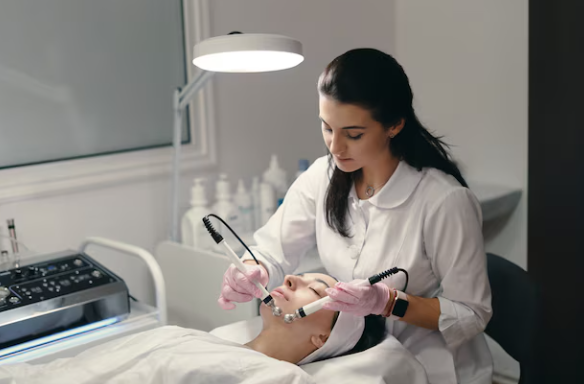
Aesthetic services such as skincare treatments should align with health goals. Integrated care ensures this alignment. Providers consider internal health. Treatments become safer.
Alignment improves effectiveness. Patients avoid unnecessary risks. Providers guide responsible care. Wellness remains central. Integrated care supports balance.
Final Thoughts on Combining Aesthetic Care with Primary Care
Combining aesthetic care with primary care supports a modern approach to wellness. It connects prevention, treatment, and appearance. Patients benefit from coordinated care. Safety and accountability improve. Long term health is prioritized.
Integrated care offers clarity and consistency. Providers guide informed decisions. Patients receive comprehensive support. This model reflects responsible healthcare. To learn more, you can contact Island Glo Aesthetics & Primary Care.
An integrated healthcare model connects aesthetic services with primary medical care. This approach improves safety, prevention, and continuity. Patients receive informed and coordinated treatment. Long term wellness becomes achievable through responsible care. Integrated care represents a smarter path to health and confidence.
Frequently Asked Questions
1. What does combining aesthetic care and primary care mean?
It means receiving coordinated medical and aesthetic services under one healthcare team.
2. Is integrated care safer?
Yes, medical oversight improves safety and treatment appropriateness.
3. Who benefits from integrated care?
Patients focused on preventive health and wellness benefit most.
4. Does integrated care include lab testing?
Yes, lab testing supports informed treatment planning.
5. Can integrated care support long term wellness?
Yes, it focuses on prevention, monitoring, and coordinated care.